Foundation Services in Antioch, California
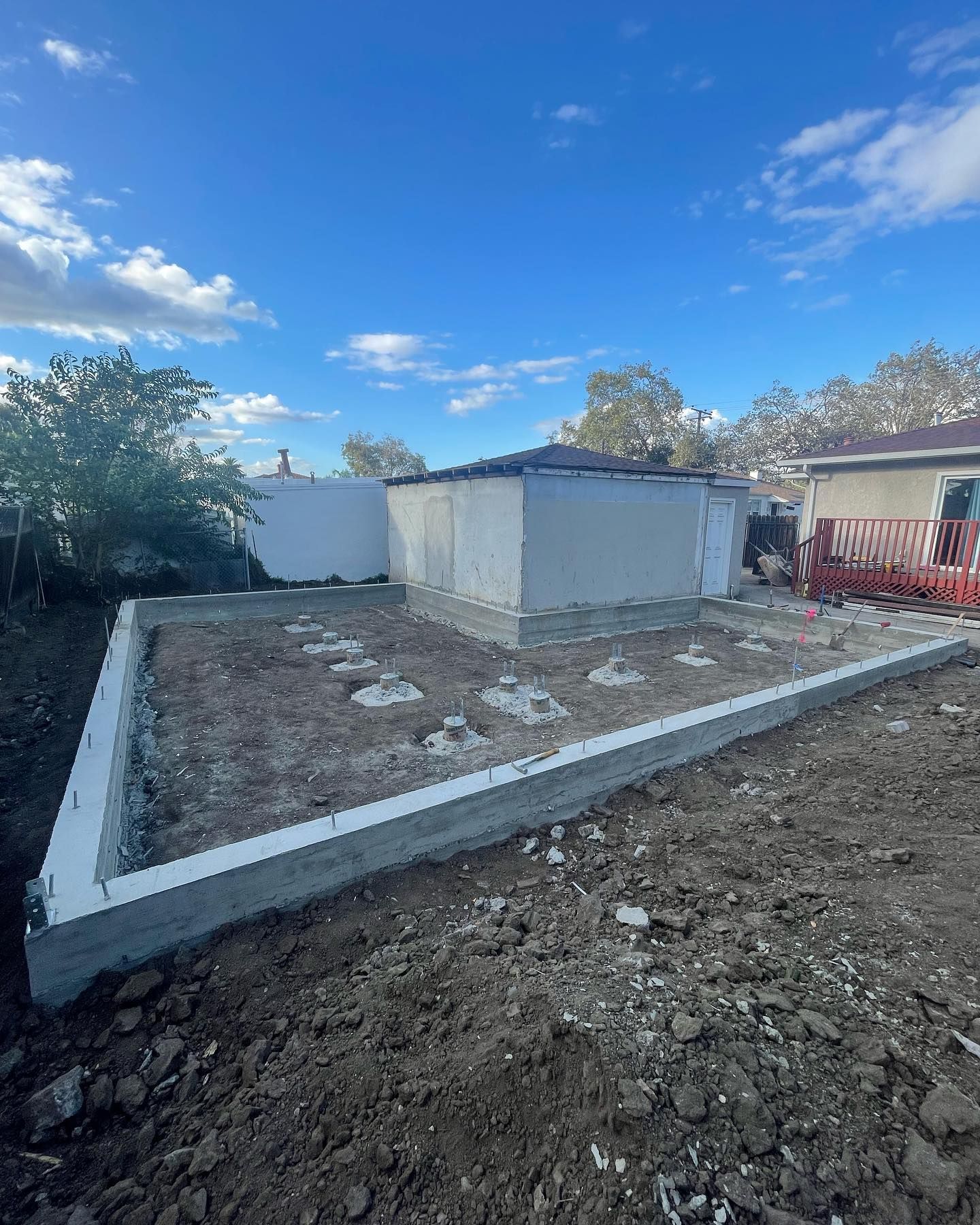
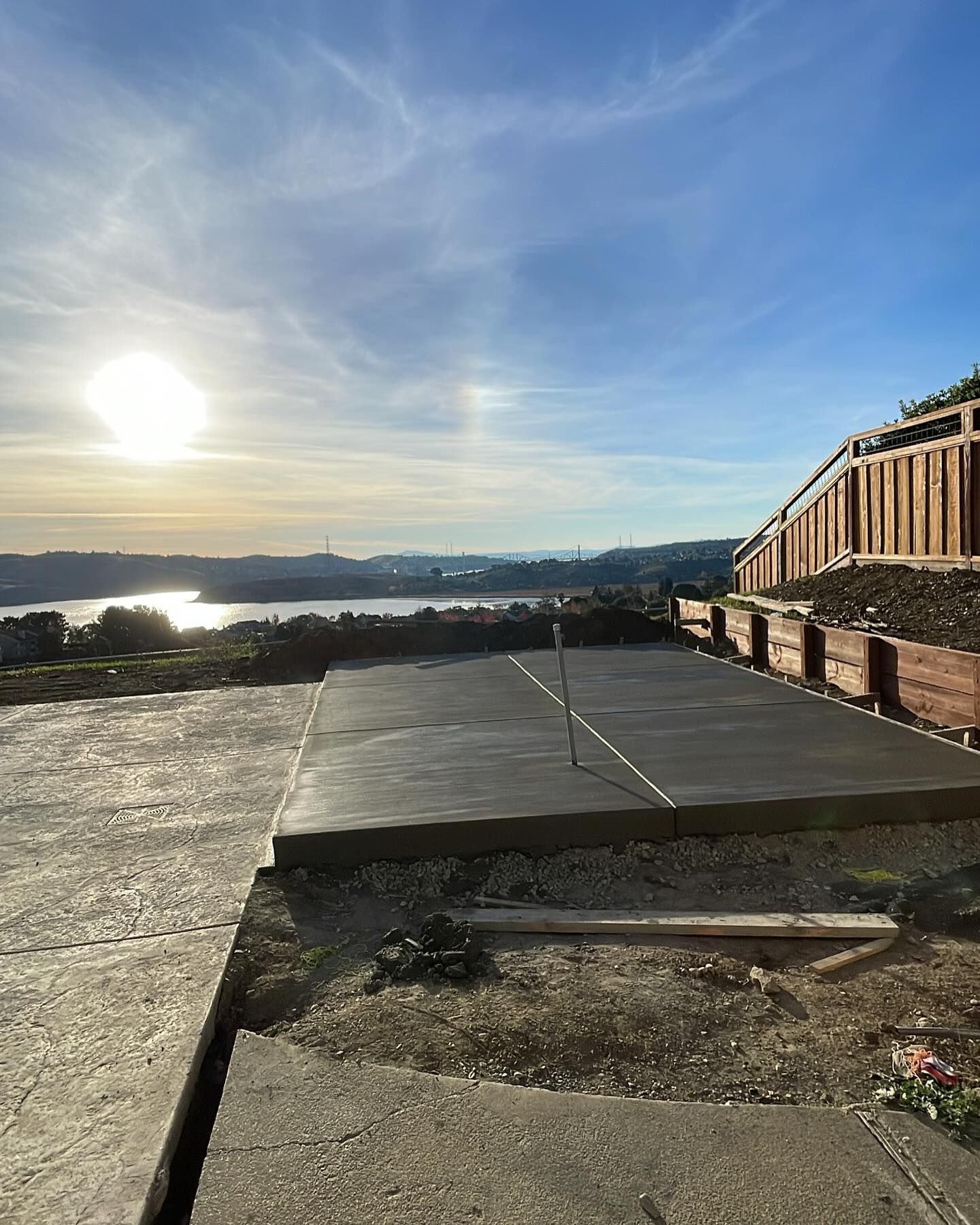
Reliable Concrete Foundations Built for Lasting Structural Stability
A building’s strength begins below the surface, where the quality of its foundation determines how well the structure withstands time, weather, and shifting ground conditions. At Mud Worx, Inc., we focus on building dependable concrete foundations that support homes and structures with lasting durability. Foundations must manage weight distribution, soil movement, and environmental pressure, making professional design and precise installation essential from the earliest stages of construction.
Our work is centered in Antioch, California, where soil composition, seasonal moisture changes, and regional building standards influence how foundations are engineered. We serve Antioch, California, and the Bay Area, delivering foundation construction informed by local ground conditions. Throughout Contra Costa County, reliable foundations often require detailed site preparation, soil compaction, and reinforced concrete systems designed to prevent settlement or structural shifting.
A well-constructed foundation does far more than support walls and floors. It protects the entire structure from long-term damage, stabilizes the building envelope, and keeps framing, plumbing, and structural components properly aligned over time. Our approach emphasizes accurate excavation, reinforcement placement, and controlled concrete curing methods that strengthen the finished structure. Through careful planning and experienced craftsmanship, foundations are built to perform reliably despite environmental exposure, soil movement, and the everyday loads placed on modern buildings.
Our Foundation Services
Concrete Slab Foundations
Concrete slab foundations provide a solid structural base for residential and commercial buildings. These systems involve preparing and compacting soil, installing reinforcement, and pouring concrete slabs that create a level platform capable of supporting walls, flooring systems, and structural components while maintaining long-term durability.
Reinforced Concrete Footings
Footings are essential structural elements that distribute building weight across stable ground surfaces. Reinforced concrete footings are designed to support foundation walls and load-bearing structures while preventing settlement. Proper reinforcement placement and depth calculations ensure reliable load transfer beneath construction projects of varying sizes.
Foundation Excavation and Preparation
Excavation is the first step in creating a dependable foundation. Proper soil removal, grading, and compaction prepare the site for reinforced concrete installation. Accurate excavation ensures the foundation base remains level, stable, and capable of supporting the structural loads that buildings place on underlying soil layers.
Structural Foundation Repairs
Over time, foundations may develop cracks or settlement issues caused by soil movement or environmental conditions. Repair services address structural weaknesses through reinforcement, crack sealing, stabilization techniques, and structural restoration methods designed to restore strength and prevent further foundation deterioration.
Foundation Reinforcement Installation
Reinforcement strengthens concrete foundations by adding steel bars or mesh within the concrete structure. This reinforcement increases load capacity and helps resist cracking caused by ground movement or structural pressure. Proper placement ensures the foundation maintains strength and stability throughout its service life.
Foundation Leveling and Stabilization
Foundation leveling corrects uneven settlement that can cause structural misalignment and interior damage. Stabilization techniques restore structural balance by reinforcing soil support and adjusting foundation elevation, helping structures regain proper alignment while preventing additional settlement or structural stress over time.
Benefits of Professionally Built Foundations
Long-Term Structural Stability
A properly constructed foundation distributes the weight of a structure evenly across prepared soil and reinforced concrete footings. This balanced load support prevents uneven settling, structural stress, and long-term damage to framing, walls, and flooring systems while maintaining the overall stability of buildings over many years.
Improved Building Longevity
Strong foundations extend the lifespan of any structure by protecting it from ground movement, moisture intrusion, and shifting soil conditions. Reinforced concrete construction provides the strength necessary to withstand environmental pressures, allowing homes and buildings to maintain structural integrity for decades with minimal deterioration.
Protection Against Soil Movement
Soil expands and contracts depending on moisture levels and environmental conditions. Professionally engineered foundations are designed to account for these natural shifts, using reinforcement and depth calculations that reduce cracking and settlement while maintaining consistent support beneath the entire structure.
Enhanced Structural Load Distribution
Concrete foundations evenly distribute the weight of structural elements such as framing, roofing, and interior walls. By spreading these loads across reinforced concrete footings and slabs, foundations prevent localized stress points that could weaken structural components and cause uneven settling or damage.
Resistance to Moisture and Environmental Stress
High-quality foundation construction includes moisture barriers, reinforced concrete, and proper drainage considerations that protect structures from water infiltration. These protective measures help prevent foundation deterioration, interior moisture issues, and structural weakening caused by prolonged exposure to damp soil conditions.
Greater Construction Precision
Professional foundation installation relies on careful measurements, level grading, and accurate reinforcement placement. This precision ensures that walls, framing systems, and structural components align correctly throughout the construction process, allowing every stage of building development to proceed smoothly and efficiently.
Structural Concrete Foundations Engineered for Stability, Strength, and Longevity
A strong building begins with a dependable foundation, and professional installation ensures that every structural component above ground remains supported and aligned. At Mud Worx, Inc., foundation construction reflects a commitment to durability, engineering precision, and careful craftsmanship. Each project begins with detailed planning, soil preparation, and reinforced concrete placement designed to support structures reliably.
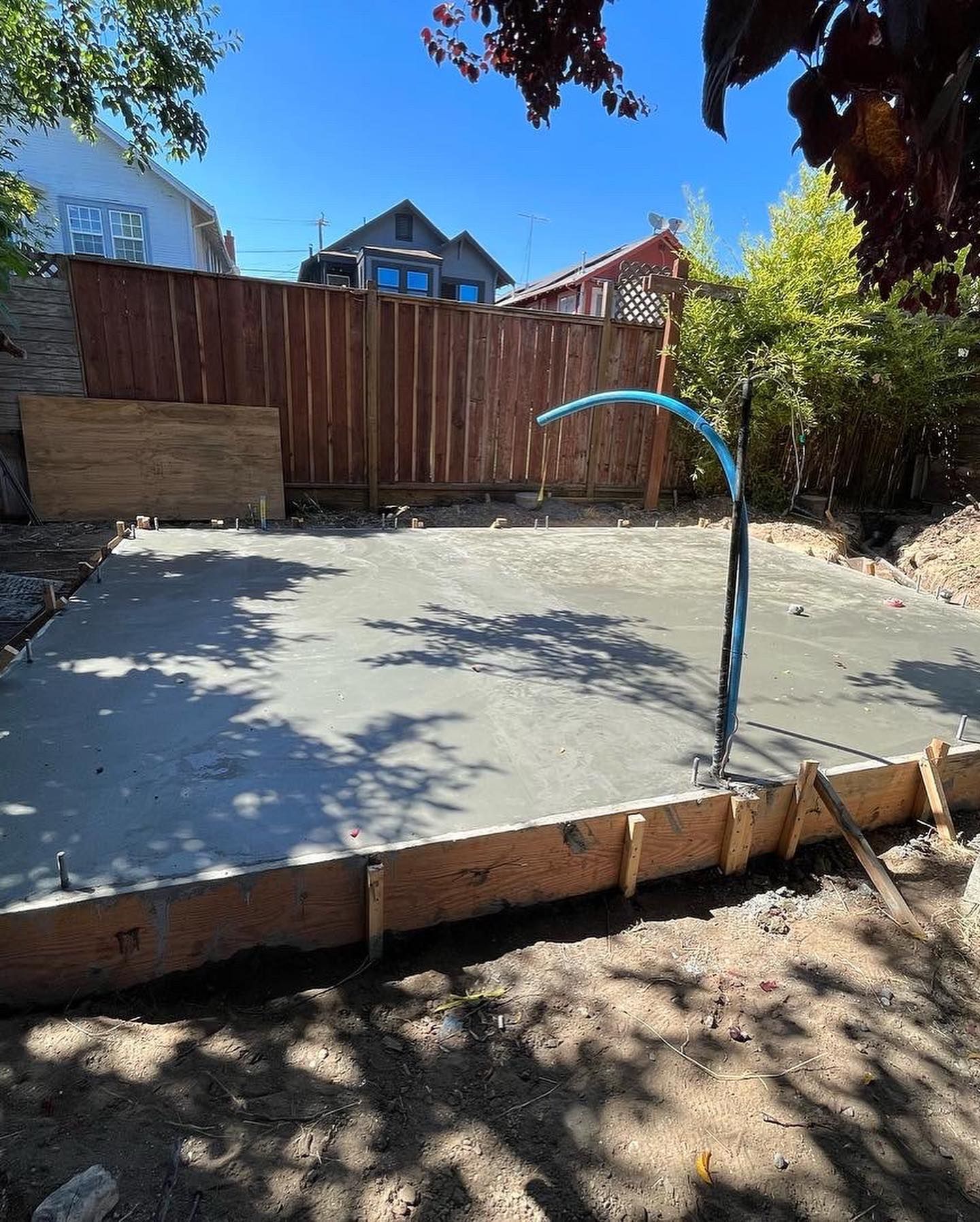
Working throughout Antioch, California, our team focuses on building foundations that handle regional soil conditions, structural loads, and long-term environmental exposure. Every step of the process—from excavation and reinforcement placement to concrete curing—is approached with careful attention to detail. This method ensures foundations remain stable and resilient as buildings age and conditions change. Foundations serve as the structural backbone of any property, influencing the strength, safety, and longevity of the entire building.
Frequently Asked Questions
What is the purpose of a concrete foundation?
A concrete foundation transfers the weight of a structure to the ground while maintaining stability and alignment. It prevents uneven settlement, supports load-bearing walls, and protects the building from soil movement. Without a properly constructed foundation, structural elements can shift or crack, leading to long-term structural problems.
How long does a concrete foundation last?
Concrete foundations can last several decades when installed correctly and maintained properly. Reinforcement, proper soil preparation, and quality concrete mixtures contribute to longevity. Environmental exposure and soil conditions influence lifespan, but professionally constructed foundations often remain structurally sound for fifty years or longer with minimal repairs.
What causes foundation cracks?
Cracks often develop due to soil movement, improper curing, moisture expansion, or structural stress. Small hairline cracks can occur naturally as concrete cures, while larger cracks may indicate settlement or pressure changes beneath the structure. Early evaluation helps determine whether repairs or reinforcement are necessary.
How long does foundation installation usually take?
Foundation installation timelines vary depending on site preparation, excavation requirements, and curing conditions. Excavation and reinforcement placement typically occur first, followed by concrete pouring and curing. The curing stage alone may take several days before additional construction can safely proceed on the newly installed foundation.
Do foundations require maintenance?
Concrete foundations generally require minimal maintenance, but periodic inspections help detect small cracks or drainage issues early. Proper grading around the building, controlled moisture levels, and timely repairs prevent minor concerns from developing into larger structural problems that could affect building stability.
What type of foundation is best for residential construction?
Several types of foundations exist, including slab foundations, crawlspace systems, and full basements. The appropriate option depends on soil conditions, building design, and local construction standards. Engineers evaluate site conditions and structural requirements to determine the most effective foundation system for each project.
Why is professional foundation construction important?
Why is professional foundation construction important?
Professional installation ensures proper excavation, reinforcement placement, and concrete curing methods. Skilled contractors follow structural guidelines and engineering standards that help foundations support buildings safely and reliably. In Antioch, California, Mud Worx, Inc. applies experienced concrete construction practices that prioritize structural durability and long-term performance.
How does soil type affect foundation design?
Soil composition directly influences foundation stability. Expansive clay soils can shift with moisture changes, while sandy soils may require deeper support. Engineers analyze soil characteristics before construction to design foundations that remain stable under varying environmental conditions throughout the building’s lifespan.
What our customers have to say...
Testimonials